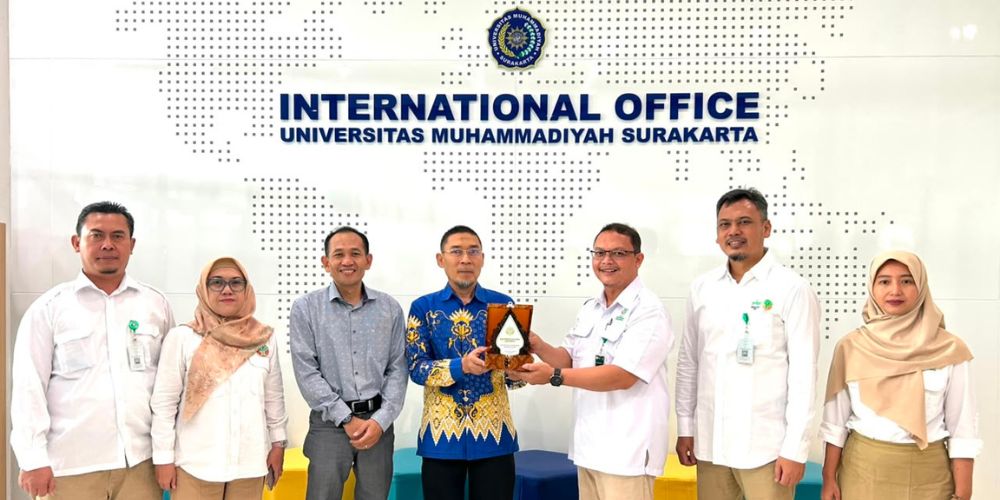

Surakarta, June 23, 2026 – Universitas Muhammadiyah Surakarta (UMS) is strengthening its commitment to sustainable development by exploring a strategic partnership with the Social Forestry Agency of Yogyakarta. The collaboration aims to empower local communities while promoting sustainable forest management through academic engagement, research, and community service initiatives.
The partnership aligns with UMS’s mission to contribute to society through education, research, and community empowerment. By collaborating with the Social Forestry Agency, UMS seeks to support communities that have received legal permits to manage forest areas under Indonesia’s Social Forestry Program.
Prof. Supriyono, S.T., M.T., Ph.D., Vice Rector V of UMS, explained that the collaboration reflects the university’s commitment to assisting forest management groups in improving their livelihoods while preserving forest ecosystems.
“We hope UMS can actively assist communities that have obtained legal forest management permits through the Social Forestry Program. Our contribution may include empowering farmers, improving agricultural production, supporting post-harvest processing, and developing other community-based initiatives that enhance local welfare,” said Prof. Supriyono.
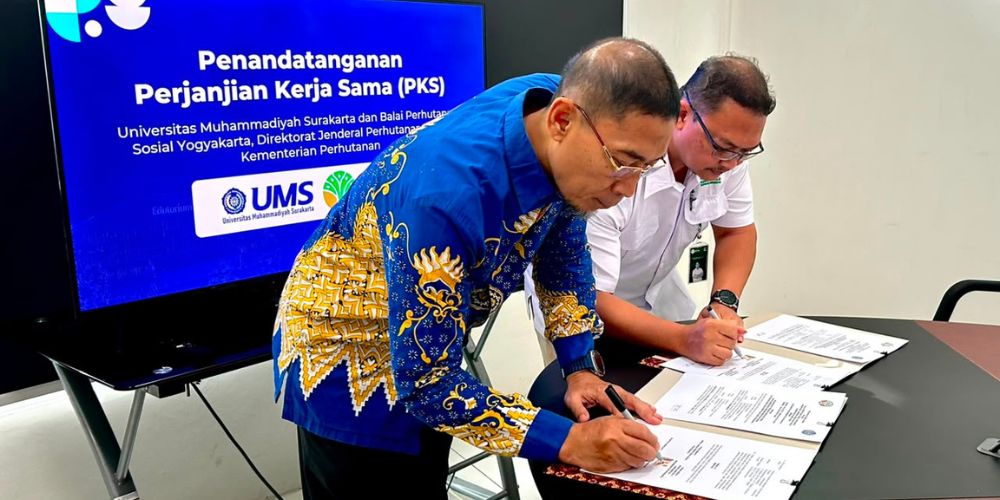
He added that the collaboration has progressed beyond the planning stage and entered its implementation phase through a Cooperation Agreement (PKS), following a previously established Memorandum of Understanding between the two institutions.
“The partnership between UMS and the Social Forestry Agency has officially moved into the implementation stage. We look forward to translating this collaboration into impactful programs that benefit both communities and the environment,” he added.
Through this partnership, UMS is expected to contribute its academic expertise in strengthening the capacity of community forest management groups while supporting sustainable and productive natural resource management that generates long-term social and economic benefits.
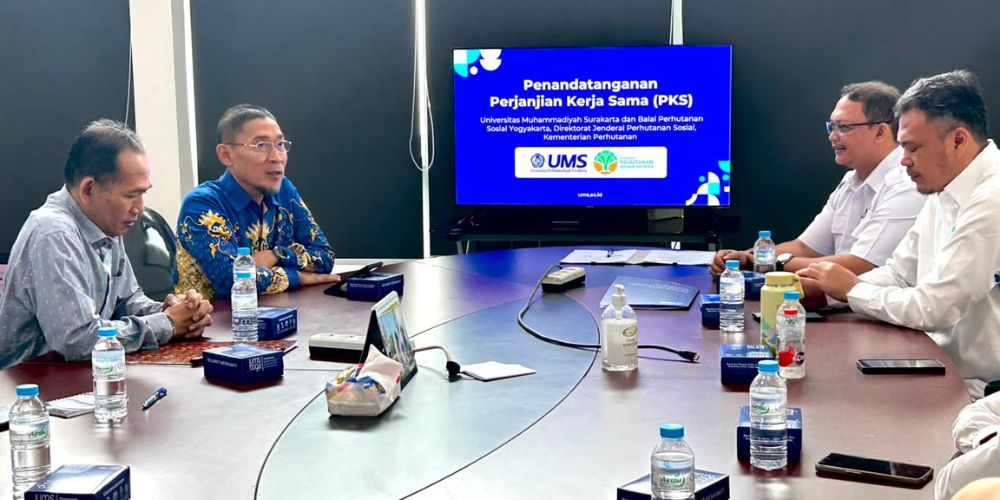
Head of the Social Forestry Agency of Yogyakarta, Wahyudi Ardhianto, welcomed the collaboration, emphasizing the vital role of higher education institutions in supporting communities that participate in Indonesia’s Social Forestry Program.
According to Wahyudi, the agency is responsible for facilitating legal access for communities to manage designated forest areas. Once legal access has been granted, universities and other stakeholders can provide technical assistance and capacity-building programs to ensure the long-term success of community forest management.
“After communities receive legal access to manage forest areas, universities can play an important role by providing assistance to these groups. Such support helps ensure that the objectives of improving community welfare can be achieved sustainably,” he explained.
He further noted that academic involvement is particularly important in strengthening the economic capacity of local communities. Beyond improving cultivation techniques, community groups require assistance in product development, entrepreneurship, market access, business management, and institutional strengthening.
“Universities, especially those with expertise in economics and business, can help communities generate higher incomes through better marketing strategies, market expansion, and business development. These areas offer tremendous opportunities for meaningful collaboration,” Wahyudi added.
Currently, approximately 147 Social Forestry permits have been granted to community groups across Central Java. Through continuous government facilitation and community assistance, these groups are encouraged to develop sustainable food production, renewable energy initiatives, and forest-based commodities while maintaining ecological balance.
Wahyudi emphasized that improving community welfare should always go hand in hand with environmental conservation.
“The primary objective is to improve people’s welfare while simultaneously restoring and preserving forest functions. Economic development should never come at the expense of forest sustainability,” he stressed.
Looking ahead, both institutions envision a wide range of collaborative activities, including joint research, community engagement programs, and student involvement through Community Service Program (KKN) initiatives. These programs will provide opportunities for students and academics to directly assist communities in Social Forestry areas while contributing to sustainable development and environmental conservation.
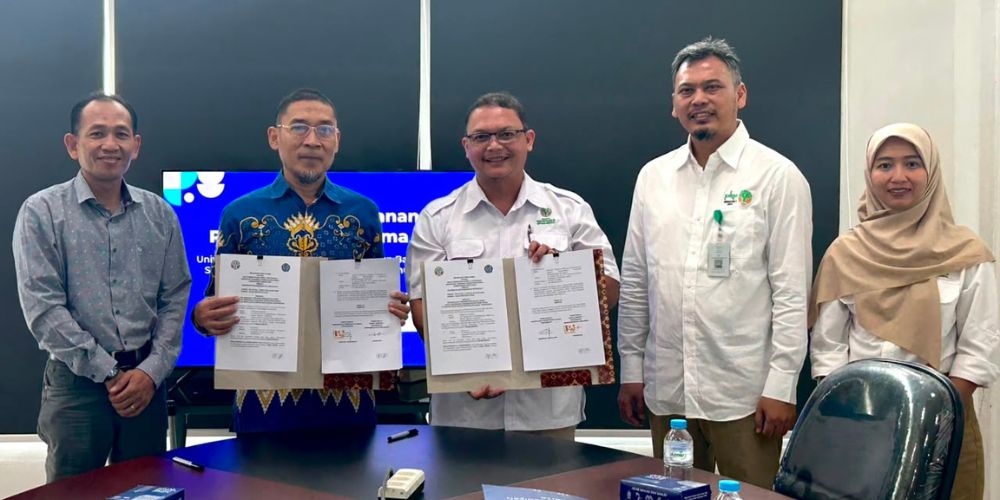
The partnership reflects UMS’s ongoing commitment to supporting the Sustainable Development Goals (SDGs) by integrating academic excellence, community empowerment, and environmental stewardship. Through interdisciplinary collaboration and meaningful engagement with government institutions, UMS continues to strengthen its role as a university that creates positive and lasting impacts on society.