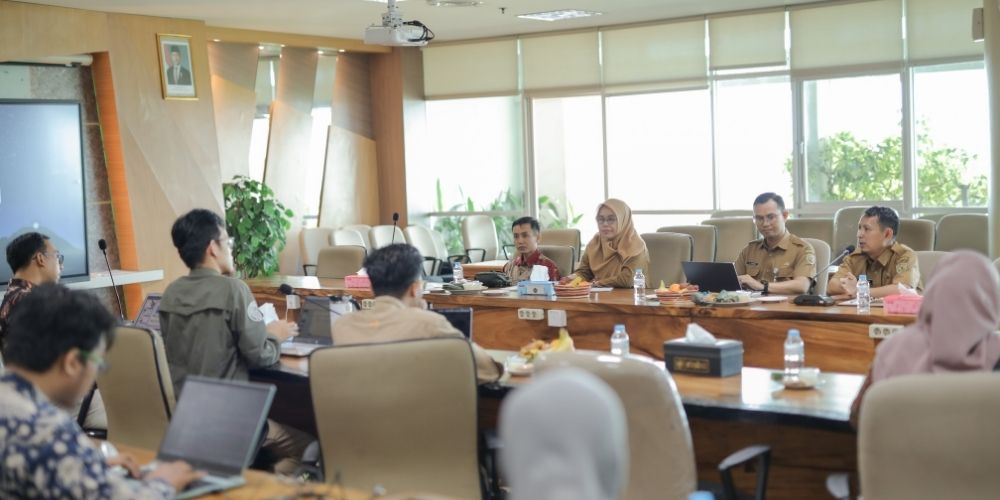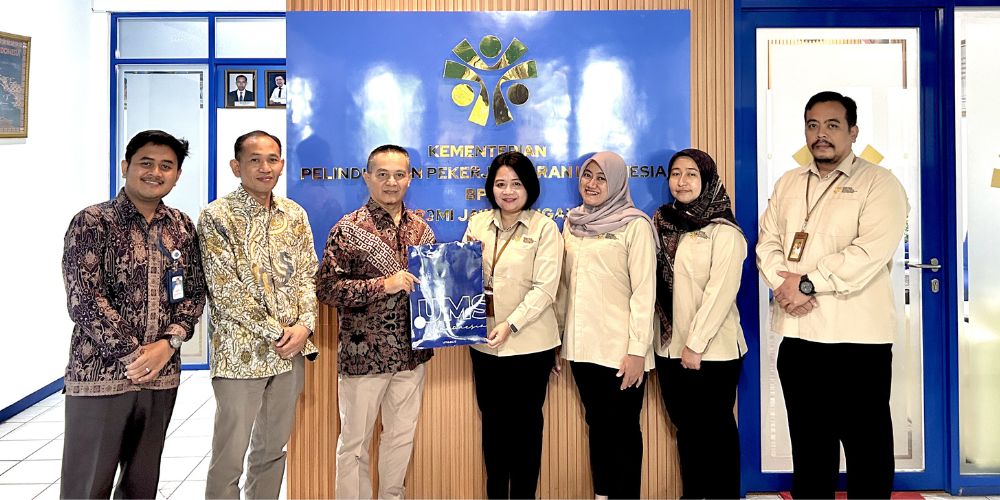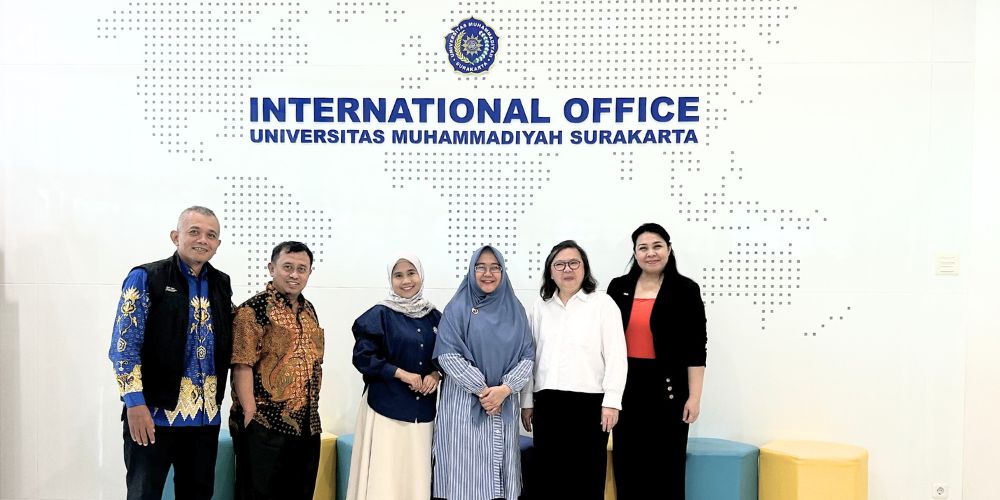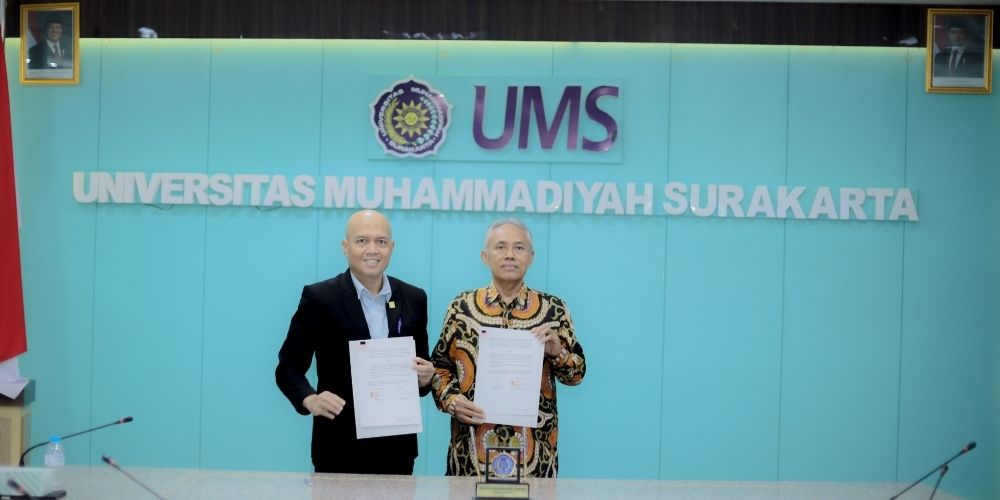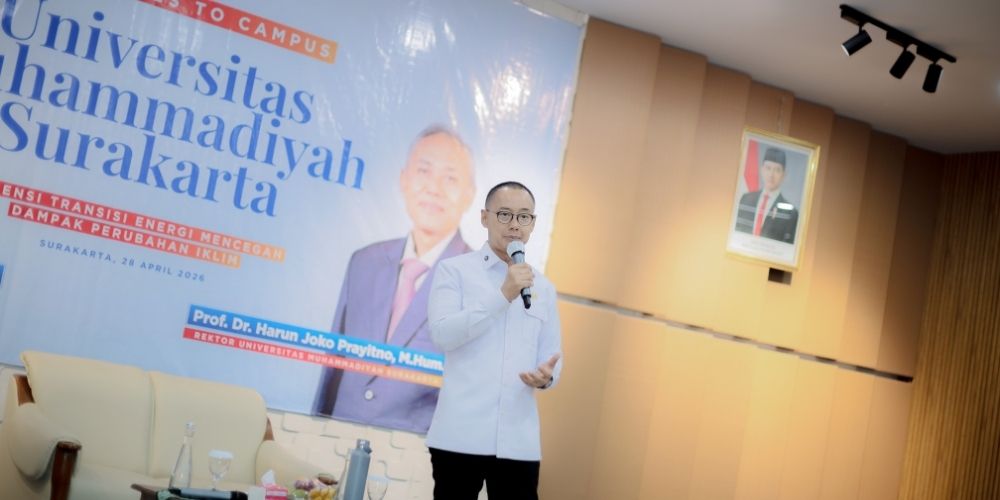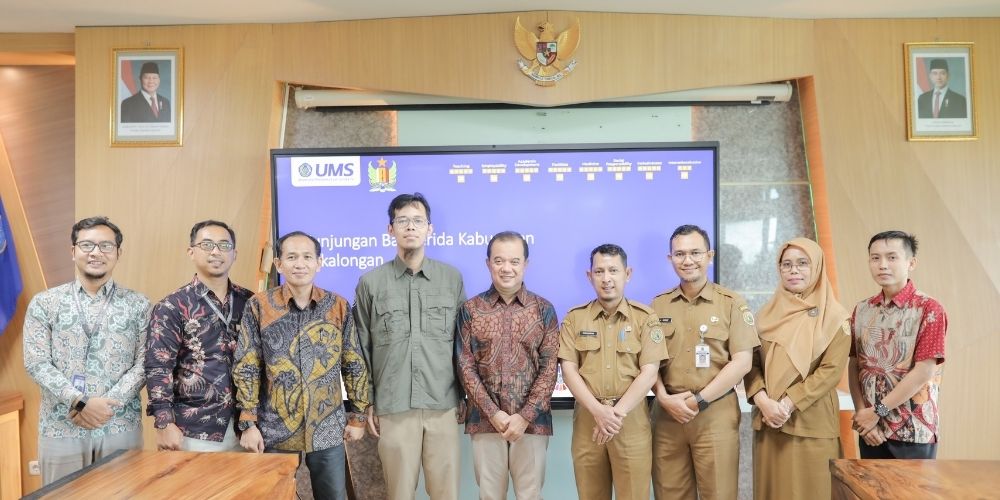

Surakarta, April 28, 2026 — Universitas Muhammadiyah Surakarta (UMS), through its SDGs Center, welcomed a visit from the Regional Development Planning, Research and Innovation Agency (Bapperida) of Pekalongan Regency for a consultation on drafting the Regional Action Plan (RAD) for the Sustainable Development Goals (SDGs). The activity took place at the BPH Meeting Room, Siti Walidah Main Building, UMS.
This visit highlights UMS’s strategic role as an academic partner in supporting sustainable development planning at the regional level. In the process of drafting the SDGs RAD, local governments are required to consult with SDGs Centers at universities to ensure alignment with global indicators.
A representative from Bapperida Pekalongan Regency, Rokhmawan, stated that they had coordinated with various institutions and universities but had not found an SDGs Center in the Pekalongan area. Based on a recommendation from the Central Java Provincial Government, Bapperida then sought consultation with UMS.
“We hope to receive guidance and input from the UMS SDGs Center in developing a comprehensive and well-structured RAD,” said Rokhmawan.
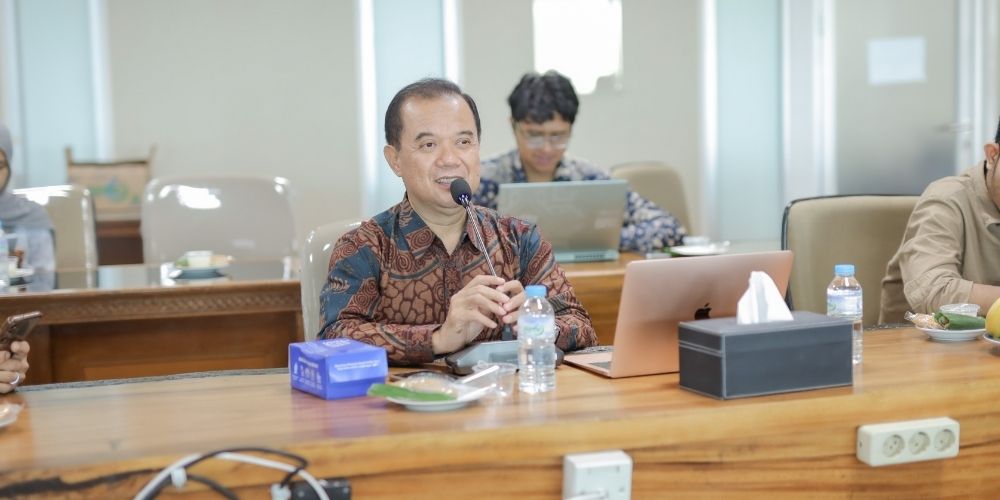
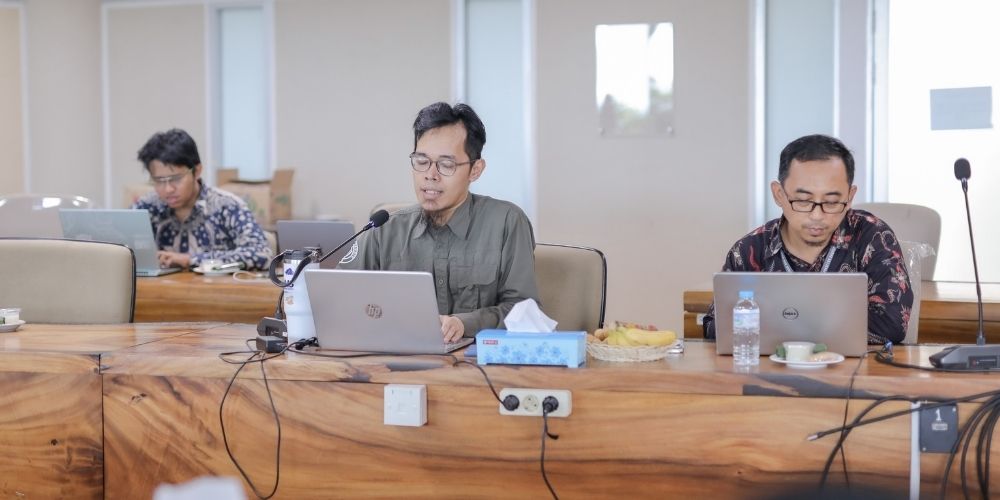
Coordinator of the UMS SDGs Center, Rama Rizana, S.T., M.Sc., warmly welcomed the visit. He emphasized that although the SDGs Center at UMS is still in its development phase, it is ready to share knowledge and experience, particularly in applying SDGs-based methodologies.
During the discussion, the UMS team presented an overview of the RAD preparation framework, including planning and budgeting metrics aligned with the 17 SDGs and their respective indicators. The process also involves identifying programs and activities that support the achievement of sustainable development targets.
“We are still in the brainstorming stage, from formulating indicators to designing relevant programs that support the achievement of SDGs within the RAD document,” explained Rama.
This visit is expected to serve as an initial step toward collaboration between UMS and the Pekalongan Regency Government. In the future, it may lead to a formal partnership as a shared commitment to advancing sustainable development at the regional level.