
Surakarta, 20 October 2025 – Strengthening the global competitiveness of Indonesian higher education became the central theme of discussion during the 2025 Annual Meeting of the Association of International Offices (ASKUI) of Muhammadiyah and ‘Aisyiyah Higher Education Institutions (PTMA).
The event, held at The Alana Hotel Meeting Room from October 20–22, brought together delegates from 45 Muhammadiyah and ‘Aisyiyah universities across Indonesia. The forum highlighted the importance of collaboration, research excellence, and impactful internationalization.
In his keynote address, Prof. Dr. Mukhamad Najib, S.TP., M.M., Director of Institutional Affairs at the Ministry of Higher Education, Science, and Technology (Kemendiktisaintek), emphasized that internationalization is not merely about achieving higher global rankings, but about building a competitive and sustainable research ecosystem.
“Indonesia has around 4,300 higher education institutions—almost twice as many as China. However, quantity does not always equal quality. University rankings are a reflection of academic and research excellence,” said Prof. Najib, Monday (20/10).
He further explained that the true goal of internationalization lies in attracting global talents and strengthening research ecosystems that drive innovation. Indicators in the QS World University Rankings—academic reputation, employer reputation, international student ratio, and research citations—reflect the overall academic strength of an institution.
“Our main challenges are low citation impact, a limited number of international students, and insufficient global research collaboration,” he added.
Currently, Indonesia’s highest citation-per-capita rate stands at 2.6, achieved by ITB, while leading universities in Malaysia reach up to 40 citations per capita. Najib attributed Malaysia’s success partly to the wide adoption of English as a language of instruction and its well-established international programs.
To address these gaps, Najib revealed that the government is facilitating international research collaborations and developing a national research repository to increase access and visibility for Indonesian scholars.
“We have many quality research works, but limited accessibility. This repository will enable researchers to connect, collaborate, and strengthen each other,” he said.
He also emphasized the importance of synergy between public and private universities, noting that collaboration can create exponential innovation.
“If we collaborate—between PTN, PTS, and among Muhammadiyah universities—innovation will flourish, not only through global networks but also within our national ecosystem,” Najib affirmed.
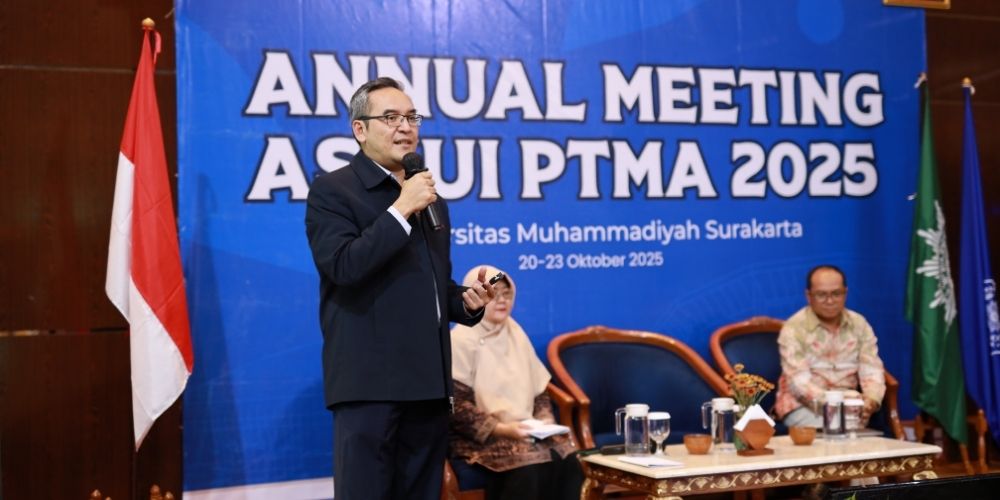
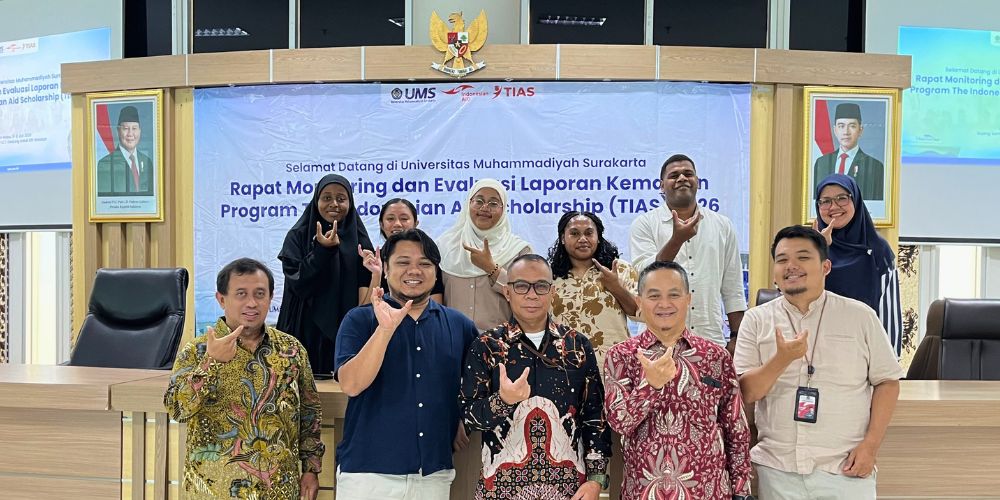
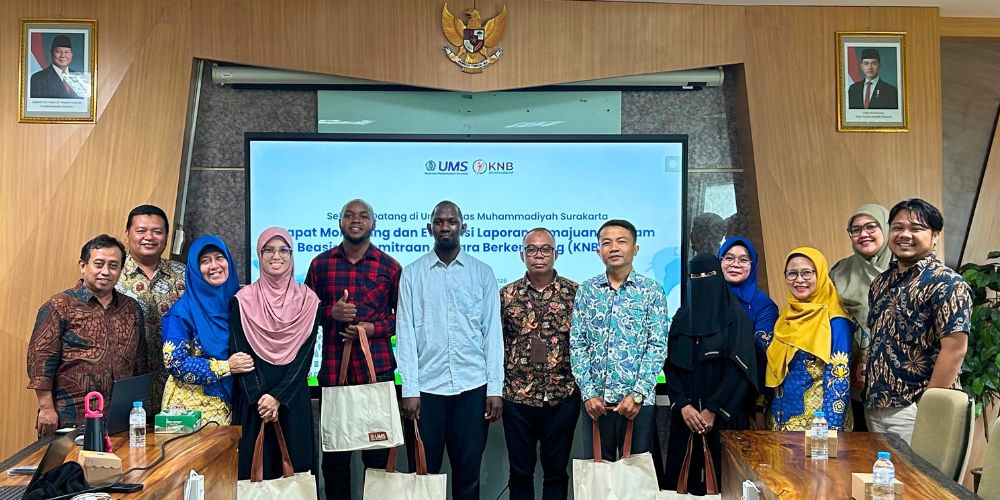
Discussing student mobility, Najib highlighted two major scholarship initiatives—The Indonesian AID Scholarship (TIAS) and the Developing Countries Partnership (KNB) Scholarship—designed to attract international students and strengthen academic diplomacy.
“UMS and Universitas Muhammadiyah Malang are among the universities currently hosting these international scholarship programs,” he said.
Prof. Najib also reminded that internationalization must align with Sustainable Development Goals (SDGs) and real societal impact.
“We aim to create ‘Impactful Universities.’ Success is not just measured by rankings, but by how campuses contribute to reducing poverty, improving education, and driving sustainable change,” he explained.
He further pointed out that Indonesia has unique local issues with global value, such as stunting, rural economic empowerment, and community-based innovation.
“Our local problems can produce world-class research when studied with strong scientific approaches,” he stated.
As he concluded, Prof. Najib called on Muhammadiyah universities to see internationalization as a form of progressive Islamic da’wah.
“Internationalization is not only about global rankings or foreign students—it’s about bringing the spirit of Islam Berkemajuan to the world stage through research collaboration, academic mobility, and shared innovation,” he concluded.
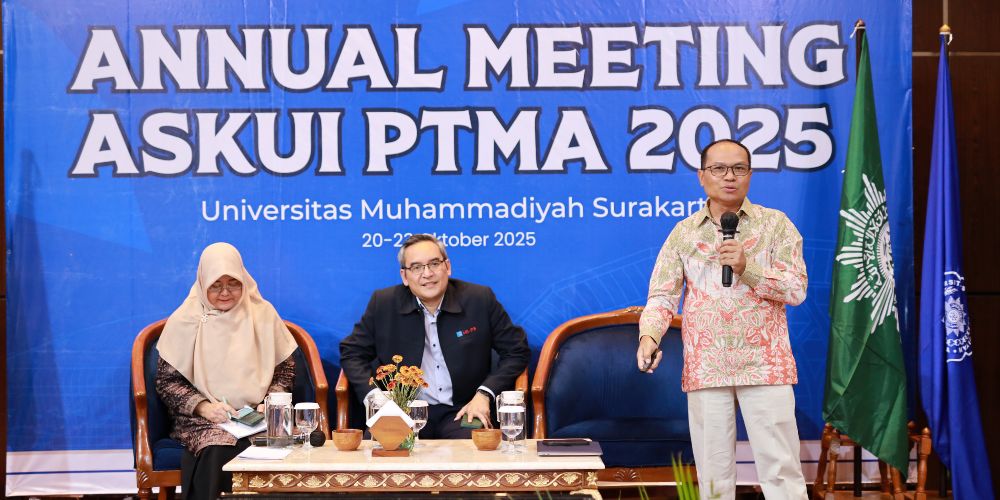
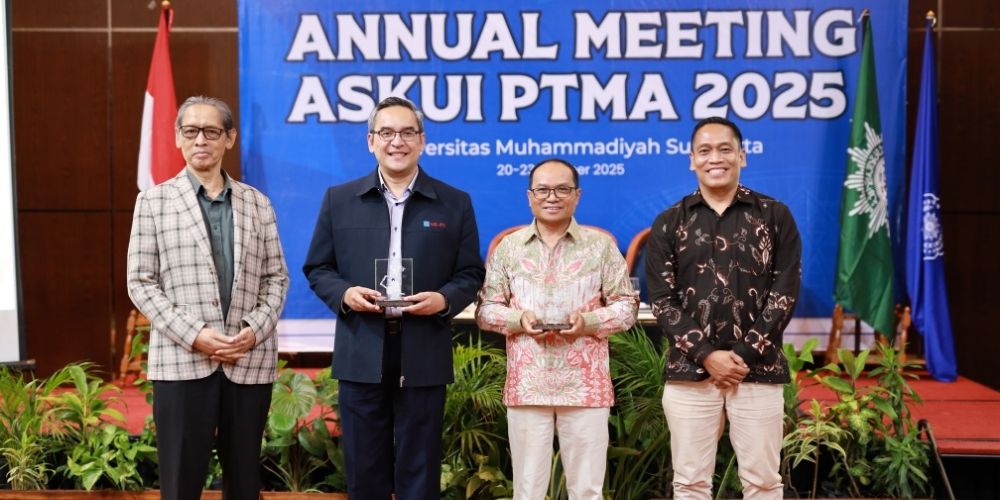
Meanwhile, Prof. Dr. Jamhari Makruf, M.A., Ph.D., Rector of the Indonesian International Islamic University (UIII) and Vice Chair V of the Muhammadiyah Council for Higher Education, Research, and Development (Diktilitbang), added that to become world-class universities, institutions must improve their rankings, strengthen internationalization, and expand global partnerships.
“If we want global recognition, we must become part of the global academic ecosystem,” he said.
Prof. Jamhari also underscored the need for research reform in Indonesia, particularly in funding and duration.
“High-impact research requires time and space for trial and error. Innovation cannot thrive under short-term cycles or fear of failure,” he emphasized.
Through this forum, UMS reaffirms its strong commitment to advancing internationalization, fostering impactful collaborations, and positioning Muhammadiyah higher education as a catalyst for global progress.